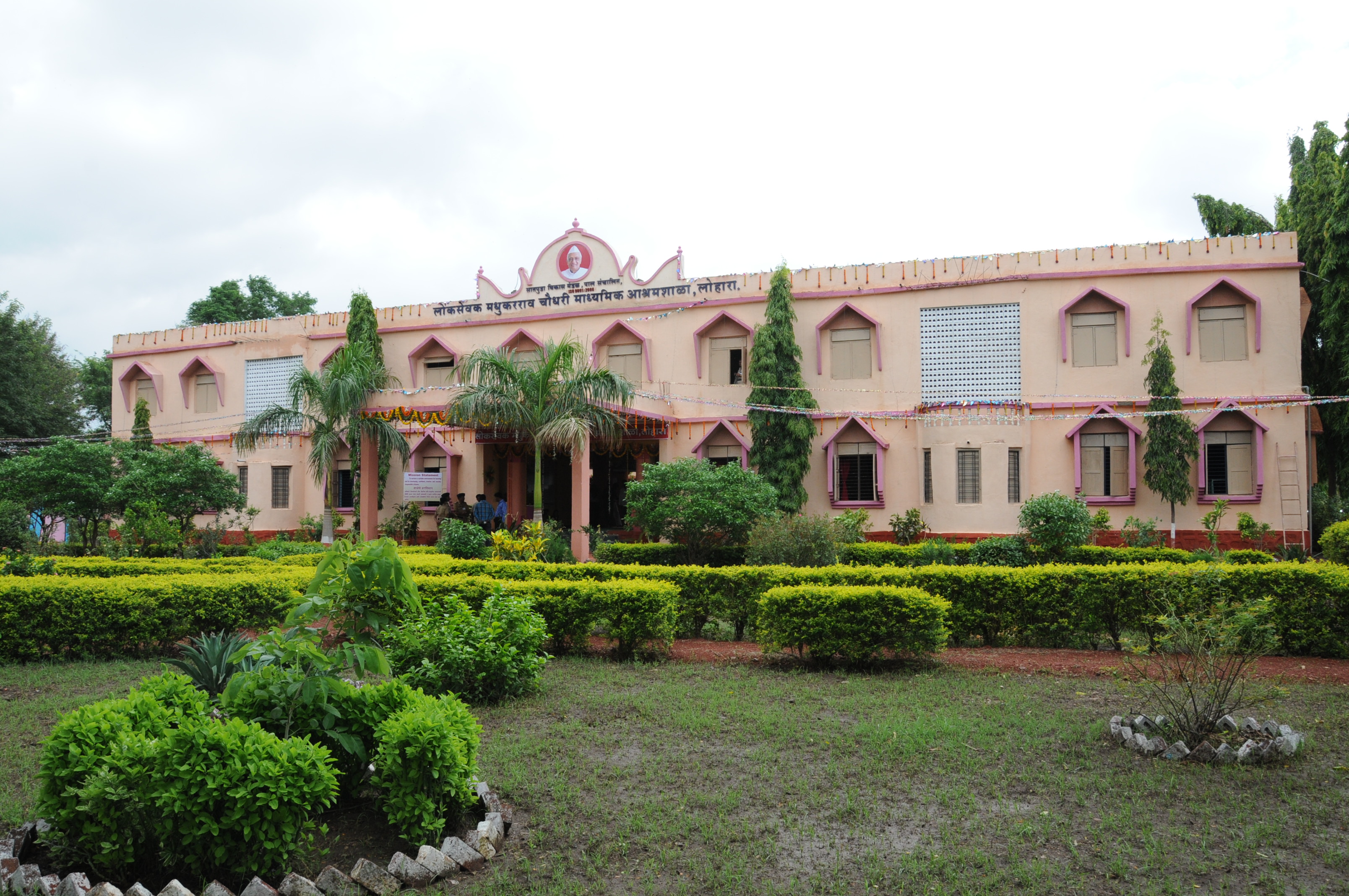
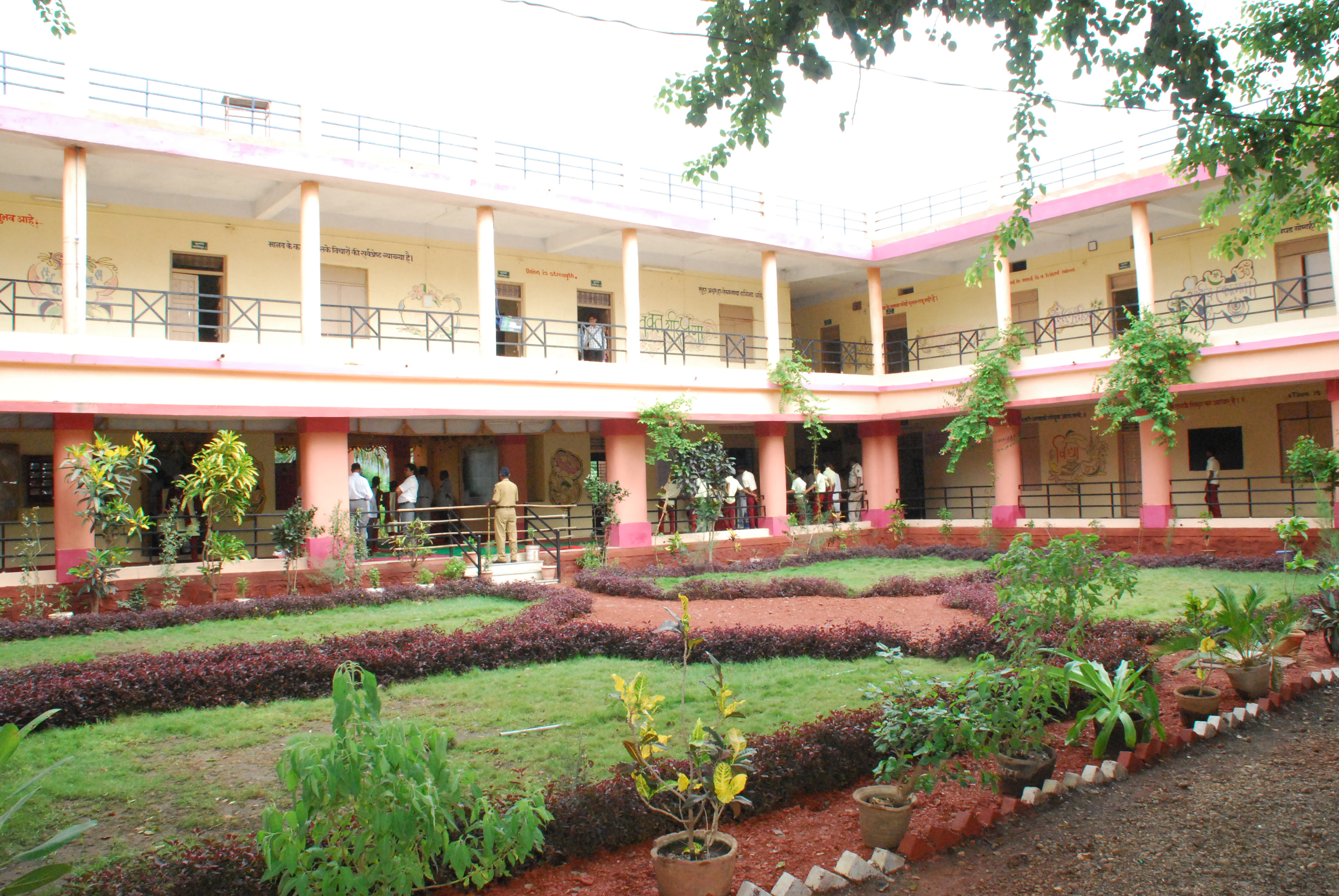
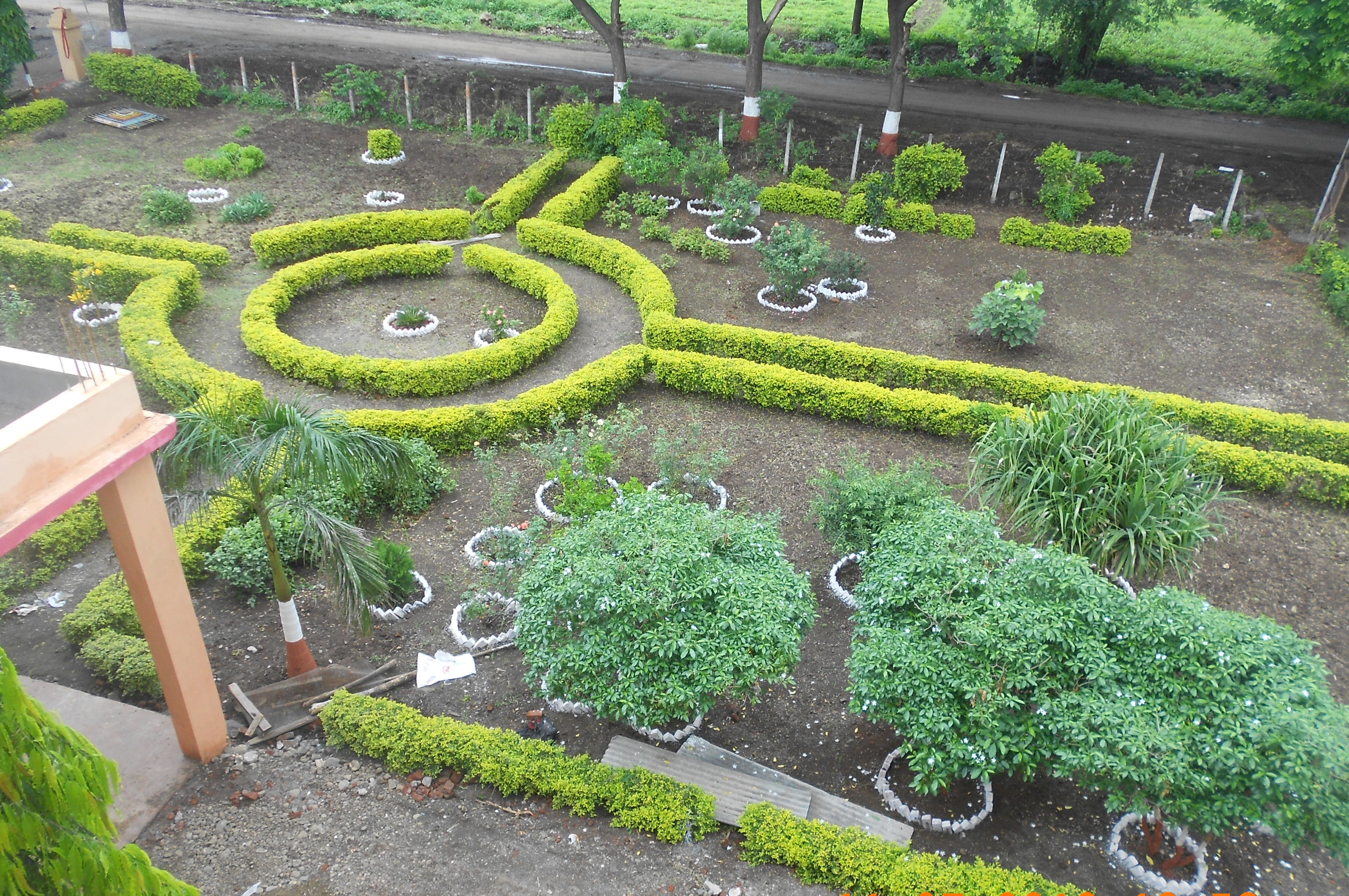
Dhanaji Nana Ashramshala and Loksevak Madhukarrao Choudhari Secondary Ashramshala, Lohara, are operated by Satpuda Vikas Mandal, Pal, Tal. Raver, Dist. Jalgaon. The school is not merely an institution that imparts education; it is a centre of transformation that shapes the future of society. Its true identity lies not in its building or results alone, but in the vision behind its establishment, the efforts made for society, the dedication of teachers, and the transformation brought about in the lives of students.
Behind the work of Satpuda Vikas Mandal, Pal, is the broad social role of providing educational opportunities to students from tribal and rural areas and bringing them into the mainstream of development. Empowering deprived sections through education, giving scope to students' latent talents, and opening new paths of progress for them are important objectives of this educational work.
From this perspective, the need to provide educational opportunities for tribal students in Lohara and its surrounding areas became important. For families living in hilly and rural settlements, challenges included the availability of education, economic circumstances, the struggle for daily livelihood, and limited awareness about education. Especially where facilities for secondary education were not available nearby, continuing students' education was difficult. In such circumstances, providing students with educational opportunities in their own area, convincing parents of the importance of education, and creating a positive outlook regarding children's futures was the need of the hour.
1992: The Beginning of a Transformative Journey
In 1992, the school was started at Lohara. The social, economic, and educational conditions of that time were different compared to today. Due to factors such as limited educational opportunities, parents' economic circumstances, traditional beliefs, and the long-term importance of formal education not having reached everyone, bringing students to school was a major challenge.
Today, education is considered the fundamental right of every child and an important foundation for a bright future. However, at that time, continuous efforts were necessary to spread this awareness of education to every family. Enrolling students in school was only the beginning; bringing them to school regularly, encouraging them to continue their education, and building trust in the minds of parents was even more important work. It was here that the role of the then headmaster and teachers proved decisive.
The Contribution of Teachers in Building the School
It is not that once a school is established, the educational process automatically begins smoothly. While creating a new educational environment, attention must be paid to many things: gaining the trust of parents, bringing students to school, creating an interest in education, and strengthening the foundation of the school with society's cooperation.
In the early journey of Lohara School, the then headmaster and teachers went into the village, communicated with parents, and explained to them the importance of enrolling their children in school. Their work did not remain limited merely to teaching in the classroom. Understanding parents' difficulties, answering their questions, clearly explaining the positive changes that education would bring to children's lives, and creating a sense of belonging toward the school—these efforts helped strengthen the relationship between the school and society.
Transformation in Mentality for Girls' Education
One of the most important aspects of Lohara School's early journey is the work of creating public awareness about girls' education. In the conditions of that time, some families had hesitation or traditional beliefs about giving priority to girls' education. There was a need to create awareness among parents about how necessary girls' education is, what changes it can bring in their lives, and what opportunities education can give them in the future.
In such circumstances, teachers directly communicating with parents to encourage them to send girls to school, removing their doubts, and explaining the importance of education was not merely educational work but social transformation. The idea that if a girl is educated, she can become capable in her own life, contribute to the family's progress, and play an important role in the educational development of the next generation—this thought needed to reach society.
Society's Trust and Growing Awareness of Education
Changing society's mentality about education is a long-term process. Initially, parents must be explained the importance of education; then the habit of sending children to school must be developed; and further, awareness of the opportunities gained through education must be strengthened in society. In this process, the role of teachers, headmasters, institution officials, staff, parents, and villagers all becomes important.
Looking at the educational journey at Lohara, the connection between the public awareness efforts of the early period and the various activities implemented in the school today is clearly felt. Initially, the challenge was to bring students into the stream of education; today, efforts are underway to provide those same students with modern knowledge, technology, skills, and opportunities for progress in various fields.
Linking Skill Development with Education
With time, the needs of education kept changing. Knowledge from textbooks alone is not enough for students' all-round development; they also need practical knowledge, technical skills, creativity, and self-reliance. From this realization, various educational and skill-development activities gained importance in the school.
To give scope to students' latent talents, under the initiative 'Zep – Towards Excellence', competitions in handwriting, essay writing, drawing, elocution, singing, rangoli, costume, and others are organized. Through sports competitions, efforts are made to develop physical ability, team spirit, discipline, and sportsmanship.
Through activities such as the Multi Skill Foundation Course (MSFC), Future Agriculture Leaders of India (FALI), pre-vocational courses, and design-related training, students get the opportunity to learn through practical action. Through activities such as computer education, digital learning, library, Gyan Key, and educational study rooms, students' knowledge is enriched and the ability to adapt to changing times is developed.
Towards Success Through Quality Education
In the school's educational journey, success in various fields has an important place. Participation and success in scholarship examinations, science exhibitions, Gandhi Research Hindi examinations, and various sports competitions inspire students to move forward.
In the academic year 2022-23, Arin Nurulla Jamadar, a sixth-grade student, secured first place in the district-level science exhibition in the upper primary tribal group—a remarkable matter in the school's educational work. In 2020-21, the tenth-grade result was 100 percent, which is also a proud record. Behind this success lies students' hard work, teachers' guidance, parents' participation, and the cooperation received by the institution's educational work.
Education, Health, and Social Commitment
Students' development is not limited merely to studies. Their health care, love for reading, social awareness, dignity of labour, and life-useful skills are equally important. Through health check-ups, eye check-ups, library, spinning yarn on the charkha, and various social activities in the school, efforts are made to develop health awareness, respect for labour, and social commitment among students.
Computer education, design-related training, and free sewing training for women, implemented with the cooperation of Samata Foundation, are also important activities for the development of society in the surrounding area. Along with empowering students through education, creating skill-development opportunities for women and citizens in the area is the broader social side of this work.
Visits by Dignitaries and the School's Identity
Noting the school's educational and social work, dignitaries from various fields have visited the school. Records of visits by the then Chief Minister Hon. Shri Prithviraj Chavan, former Union Home Minister Hon. Shri Sushilkumar Shinde, Jnanpith Award-winning litterateur Dr. Bhalchandra Nemade, Dr. Vivek Sawant of Maharashtra Knowledge Corporation, and other dignitaries are important references in the school's history.
In 2014, dignitaries graced the school's naming ceremony. The importance of these visits is not limited merely to the presence of dignitaries. Through them, students get the opportunity to hear the thoughts of persons from various fields, become acquainted with new opportunities, and develop a broader perspective regarding their own future.
From a Struggling Beginning to a Bright Future
The journey of Lohara School, which began in 1992, is a process that has reached from creating educational opportunities to quality education, skill development, and students' all-round personality development. In this journey, the institution's educational mission, the leadership of the then headmasters, the hard work of teachers, the communication established with parents, and the commitment to students' futures have an important place.
Today, looking at the educational facilities available in the school, various courses, digital education, sports, science, reading culture, and skill-development activities, the importance of the efforts made in the early period to create awareness about education is felt more intensely. The school's history is not merely a record of years, statistics of results, or a list of awards. It is a document of many such efforts, through which students got educational opportunities, the path of raising awareness among parents was opened, and the importance of education for society's progress was underlined.
It is necessary to gratefully remember the contribution of the then headmasters, teachers, institution officials, staff, and all who cooperated in laying the foundation of this work during the school's establishment. Because giving one generation the opportunity for education means sowing the seeds of progress for many generations to come.